On-Site vs Classroom PLC Training: Which Fits Your Plant Team?
On-Site vs Classroom PLC Training: Which Fits Your Plant Team?
As the year winds down and plant managers look over training budgets, there’s always that familiar question: What’s the smartest way to upgrade your team’s PLC skills? Should you bring an expert to your plant for on-site PLC training? Or send people out to instructor-led classes in Las Vegas or Denver? With options like ControlLogix training for teams coming in well below OEM prices, the right choice can really stretch your budget and sharpen your team's know-how.
What Are We Comparing?
We’re looking at two main PLC training formats:
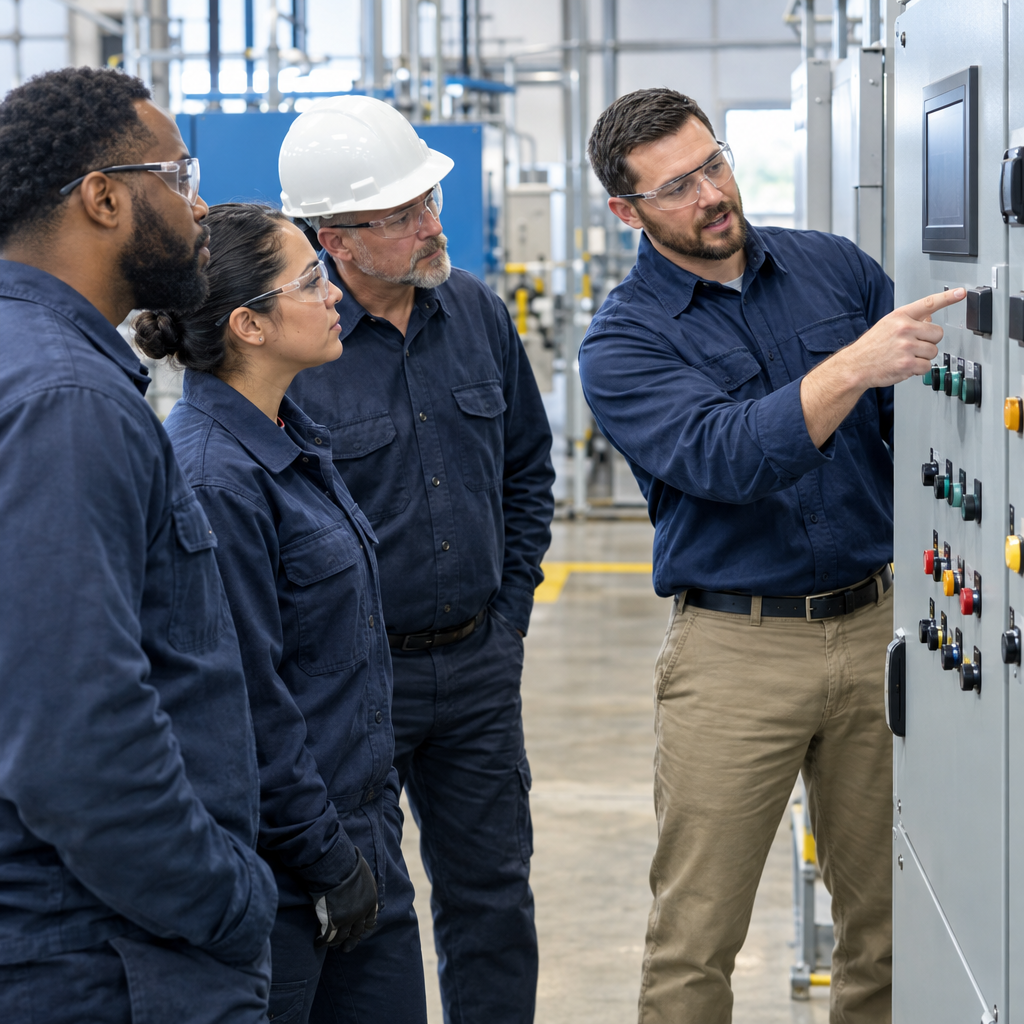
- On-Site PLC Training: An instructor comes to your facility and works with your team on your equipment or portable PLC trainers.
- Classroom Instructor-Led PLC Classes: Team members go off-site to scheduled classes at training centers—like PLC training Las Vegas or PLC training Denver.
Head-to-Head Comparison
| Criteria | On-Site PLC Training | Instructor-Led Classroom (Las Vegas/Denver) |
|---|---|---|
| Group Size | Works best for groups of 4 or more | Fits 1–3 trainees or small groups |
| Travel Required | No travel—training happens at your plant | Team members travel to Las Vegas or Denver |
| Schedule Flexibility | Training dates can match your production schedule | Set class dates; booking ahead may be needed |
| Distraction Level | Some risk of interruptions from daily plant activity | Fewer workplace distractions; more focused |
| Hands-On Equipment | Practice with your plant’s PLCs or with supplied trainers | Use standard PLC labs and trainers |
| Customization | Training can focus on your specific systems | Follows a standard course outline |
| Cost (per trainee) | Lower per person for bigger groups | Good for small groups, but travel adds up |
Pros and Cons
On-Site PLC Training
- Pros:
- No travel costs or extra downtime
- Content matches your plant’s PLCs and processes
- Flexible timing—easy to work around shifts or downtime
- Becomes more affordable as group size increases
- Cons:
- Day-to-day plant activity can interrupt training
- You’ll need space and equipment ready on-site
Instructor-Led Classroom Training (Las Vegas/Denver)
- Pros:
- Training takes place away from workplace distractions
- Access to fully equipped PLC labs
- Chance to meet and share with peers from other facilities
- Works well for a few people or individual learners
- Cons:
- Travel expenses and time off-site
- Less scheduling flexibility
- Standard curriculum may not line up with your plant’s setup
Which Option Fits Your Team?
Go with On-Site PLC Training if:
- You’re training four or more people at once.
- It matters to match the training to your ControlLogix or other plant PLCs.
- You want to keep travel costs to zero and avoid sending people off-site.
- You need the freedom to train during plant downtime or between shifts.
Pick Instructor-Led Classroom Training in Las Vegas or Denver if:
- You’ve got one to three people to train, or you want to stagger the training.
- Standard PLC setups are good enough for your needs.
- Your team could use a focused, distraction-free setting.
- Space or equipment are tight at your plant.
Final Thoughts: Plan Ahead for Year-End Budgets
Whether you choose on-site PLC training or send team members to PLC classes in Las Vegas or Denver, one thing’s for sure: training your staff keeps things running smoothly and helps avoid headaches down the line. ControlLogix team training often costs much less than OEM courses, so you can put your budget to better use before the year wraps up.
Think about your group size, schedule needs, and what you want from the training. On-site options offer real customization and are cost-effective for bigger groups. Classroom sessions work well for smaller teams and those who need a break from daily distractions. Have questions or want to compare options? Reach out and see which approach suits your team best.